
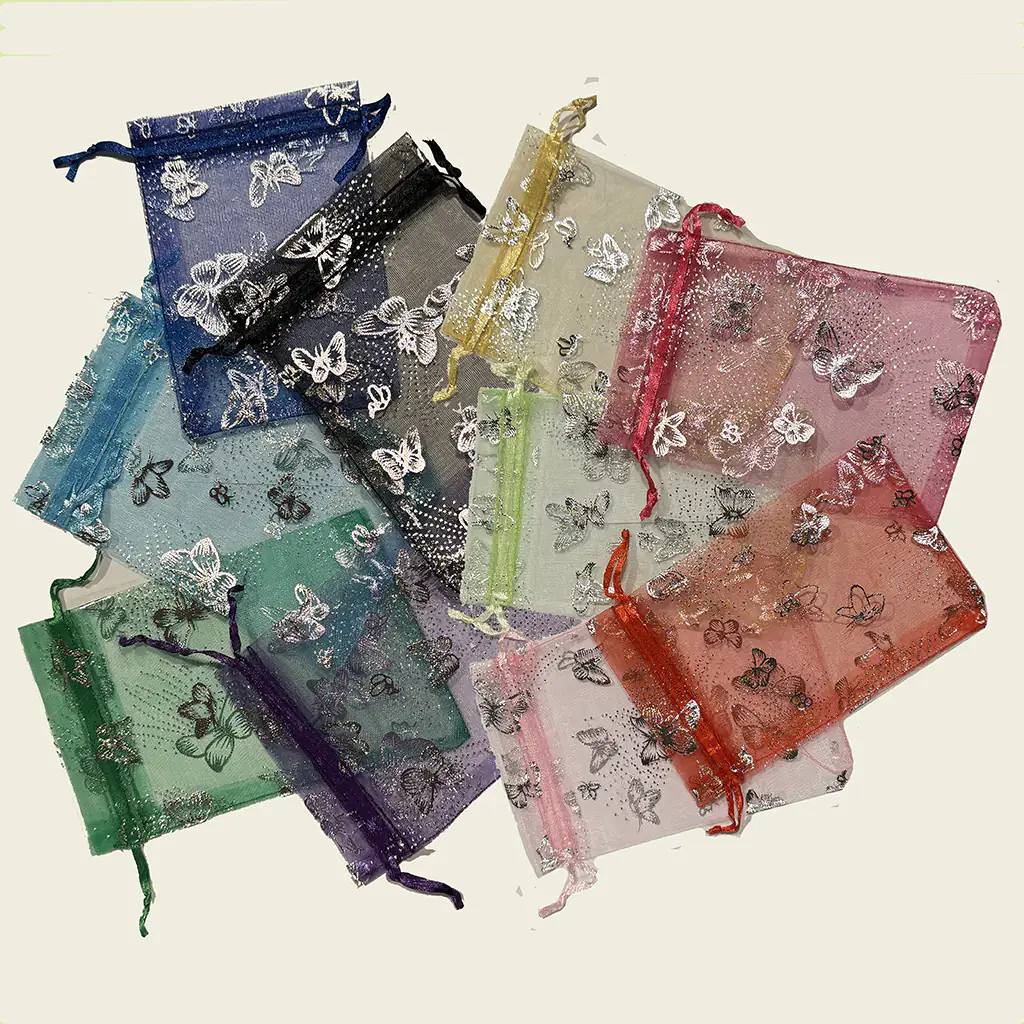
Seed bags
Seed bags
Price:
$10.00


Swamp milkweed
Asclepias incarnata, SWAMP MILKWEED - native to America. There are two varieties.We only have the variety with pink flowers.
Swamp Milkweed is not affected by frost over winter and once established will provide good supplies of feed in the early part of the season while you are getting your swan plant seedlings up to a reasonable size. But the plant may not be suitable as your sole source of food for monarch caterpillars as it loses its leaves before the last of the caterpillars have finished feeding.
A incarnata seeds need to be cold stratified which replicates the seeds undergoing a winter under the snow. To do this, place seeds between moist paper towels or in moist vermiculite in a plastic bag and store in the refrigerator. In the spring you remove pre-chilled seeds from refrigerator and sow in pots.
The plants can be propagated either by seed or by division of the root mass of a mature plant. After stratification plant seed as soon as possible into seedling pots or seed trays – and then prick seedlings out into larger pots when they have 2-3 true leaves. First year plants will normally only have a single stem but in following years will produce multiple stems as the root system develops. Light browsing by caterpillars is okay in the first year but ensure that there is a reasonable amount of foliage retained to enable the plant to develop a strong healthy root mass.
In late autumn the plant will lose its leaves and stems will die back. It is not dead; just mark the spot with a stake and wait for new shoots to come up in the spring. If the seedling appears to die when planted out into its permanent position do not be hasty in replacing it. In most cases you will find it will resprout. Contains 20-30 seeds.
Seed bags

Tropical milkweed

Joe Pye weed

Giant swan plant

Gomphrena

Liatris Spicata
Be kept posted about our special offers, events and news weekly. Better yet, become a financial member of the MBNZT


