

Promoting Lepidoptera in Public Spaces
Where to start?
The Public Spaces Project team of the MBNZT is now regularly receiving enquiries from those wishing to create or enhance habitat, in support of our moths and butterflies. We are also hearing that, sometimes, it is hard to know where to start.
There is no one-size-fits-all recommendation, establishment and maintenance of a site is dependent on many considerations. These are discussed below; many items have links to other information. A session within our website www.nzbutterflies.org.nz will provide a lot more detail. On this Public Spaces Project page, we are building a resource for those working in the field.
What is already on the proposed site?
Leave that rotting log or leaf matter. Many moths and other invertebrates will benefit as this organic material may provide food and shelter. Also remember that some hard surfaces are beneficial, as butterflies like to bask in the sun. Rocks, hard ground, gravel, even concrete. Many plants considered weeds e.g. groundsel, hawkweed will provide food or shelter for Lepidoptera.
Start Small?
Even the smallest actions on the smallest sites may help. A very large site may prove too labour intensive to begin with. Consider a low or no mow area as a basic first step – take care that scheduled mows do not coincide with peak butterfly activity. For example, clover is a much favoured oviposit site and nectar source for our blues, so each time the area is mowed, the butterfly population will also be knocked back. Specific planting for moths and butterflies is of course the next step, but it need not be vast.
Location?
Butterflies prefer a northerly aspect with sun, some larger vegetation is good, for shelter from extreme sun, rain and wind. Differing levels of planting are beneficial, starting at ground cover near paths and with larger plants behind and in front of trees and shrub level and working up. Moths, not exclusively, but mostly nocturnal, need vegetation to hide in during the day. In terms of planting, consider what will work best in your climate zone.
Pests?
Unfortunately, all areas of the country now have social (pest) wasps. Contractors should incorporate wasp nest location and eradication into their maintenance programmes. Consider installing wasp bait and wasp lures.
A wasp bait line involves setting up a series of targeted toxic bait stations at 5-10 metre intervals along fences or flight paths. Foraging Vespula species feed on the protein-based toxic material, carry it back and distribute it to collapse the entire colony. These tools currently only work for Vespula species, but it’s a start. In Auckland these products have been used by MPI in the campaign against the yellow-legged hornet (Vespa velutina).
Other pests are present, but if the site’s biodiversity is maximised, no one species should dominate. Note that our shy native wasps are all solitary species, i.e. they do not build nests. They are part of the ecosystem and do not need to be controlled.
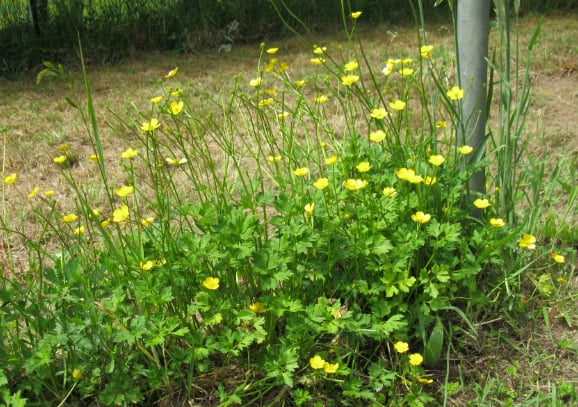
Aggressive weeds
In every different region of NZ there are invasive weeds. In Auckland and Northland it’s more than likely kikuyu. In other parts of the country, it could be clover, convolvulus, couch grass, buttercup, dock or yarrow.
Understanding the enemy is the first part of the solution. Buttercup and dock, for example are indicator weeds for poor, compacted or acidic soils, so improving the drainage and adding lime, wood ash or crushed oyster shells should make the problem more manageable.
As well, plants like clover and yarrow are useful in a butterfly habitat. Clover is both a nectar species and a host plant for the NZ blue butterflies.
Endemic v. exotic?
We are aware that some sites will have native planting as a priority. That strategy will limit options for some butterflies. However, most butterflies will look for nectar on Hebe (now Veronica spp.,) Cordyline spp Brachyglottis, Pohutukawa, and native broom. Meulenbeckia spp., particularly M. axillaris and M complexa serve as both host and nectar source for our coppers. Manuka and kanuka in flower will attract nectar seekers early in the season. Olearia, or tree daisy, of which there are many species, is a favourite of moths. Coprosma is fast growing and easy care, and many moths make it their home. Hoheria is a small native tree with flossy white flowers. Kowhai, once established, provide both food and shelter. Sedges, lancewoods, there are many options and these are detailed here. Consider Ongaonga, see below.
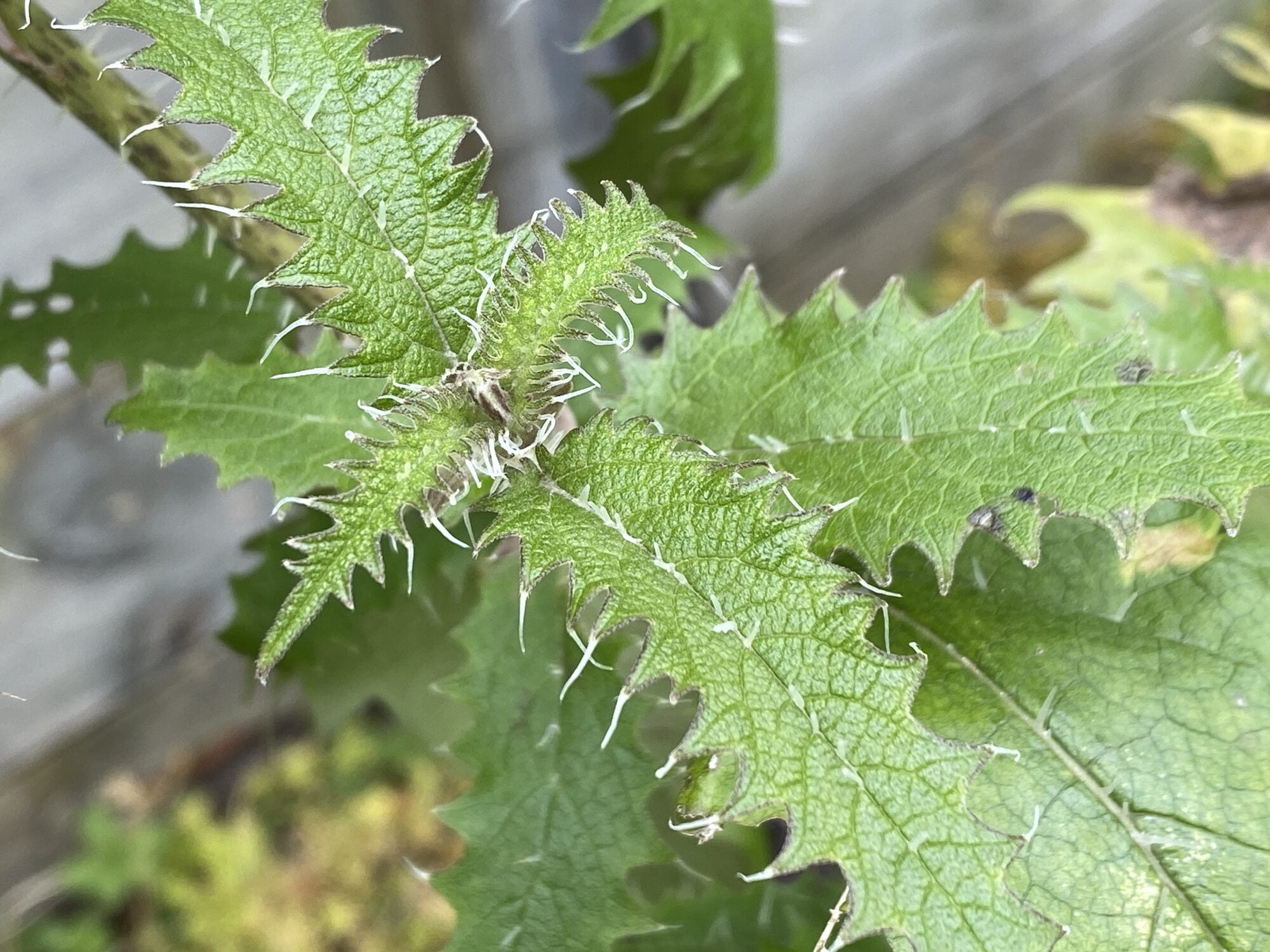
Ongaonga?
This native nettle (Urtica ferox), and other nettles, is the sole host plant for kahukura, the NZ Red Admiral in the wild. Some conservation groups are planting in out of the way and in easily controllable areas. Kahukura is the subject of specific conservation action by MBNZT, see details of the Red Admiral project here.
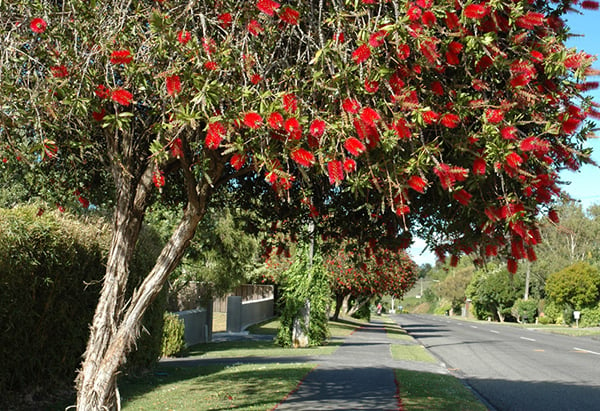
Exotic Planting?
Key native species are mentioned above. If a site was available for planting exotics then some are a veritable feast for butterflies. To name but a few – Calendula, Coreopsis, Cosmos, Echium and Zinnias are great annuals to plant. Shrubs such as Callistemon and Salvia bring colour and food for pollinators. More options here. Our Monarchs need swan plant as a host plant.
In general butterflies find it easier to retrieve nectar from simple flat-faced flowers such as daisies. Butterflies do not have good sight, so flowers are best planted in blocks of colour. Aim to provide nectar options all year round, while flowering plants are fewer in winter, so are the needs for butterfly food.
Pesticide use?
Pesticide use risks damage to other beneficial species. There are often safer and more earth-friendly ways of controlling weeds or invertebrates that don’t conform to your plan. The rapid rise of IPM (integrated pest management) is becoming more popular and it’s excellent for our pollinators.]
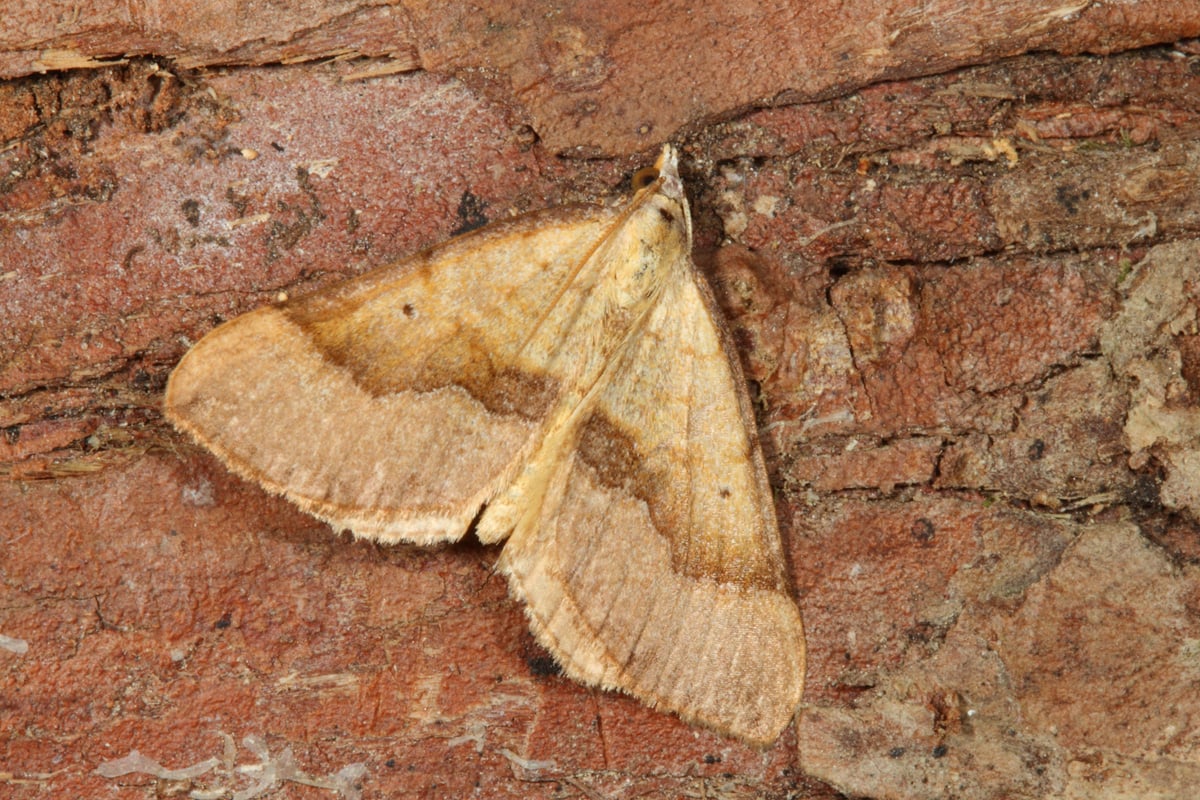
Moths matter!
People tend to be more aware of butterflies as they are day-flying, pretty and playful. In fact, NZ has many more moths than butterflies and these insects are also pollinators, during the night they will seek out pale or white flowers. Moth species are also experiencing population decline where critical vegetation has been cleared. A palette of native plants, as discussed above, will improve circumstances for them.
Liaison person?
Is there a person in your volunteer organisations (where present) who could act as a liaison person between the site and, for example, the local park ranger? This person might visit a site regularly to check on the presence of pests, any damage sustained, areas needing replanting.
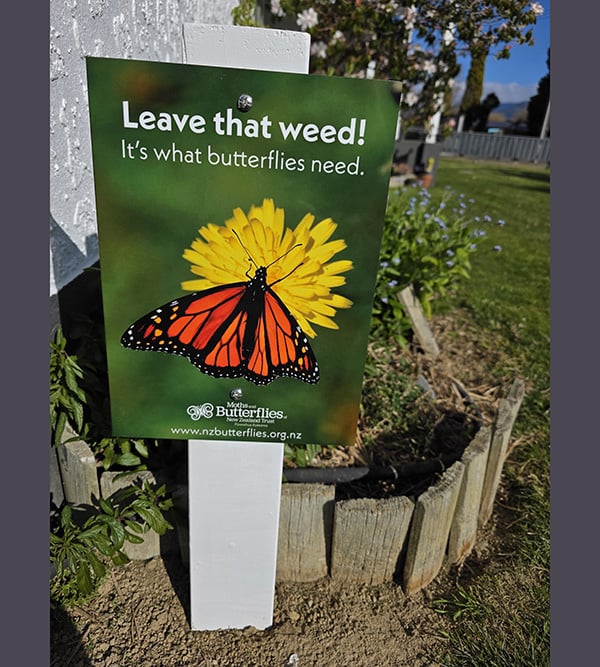
Signage?
While the site and habitat is under development, some visitors may consider that it looks neglected. We can provide several designs for councils/groups to print on to permanent materials.
We greatly appreciate your interest and action. We hope, having gone through these considerations, that answers and next steps will have emerged. As always, if you have any further questions, we will do our best to answer them. Contact








Thank you. This is excellent information. I especially appreciate the "what to leave" as well as "what to change".